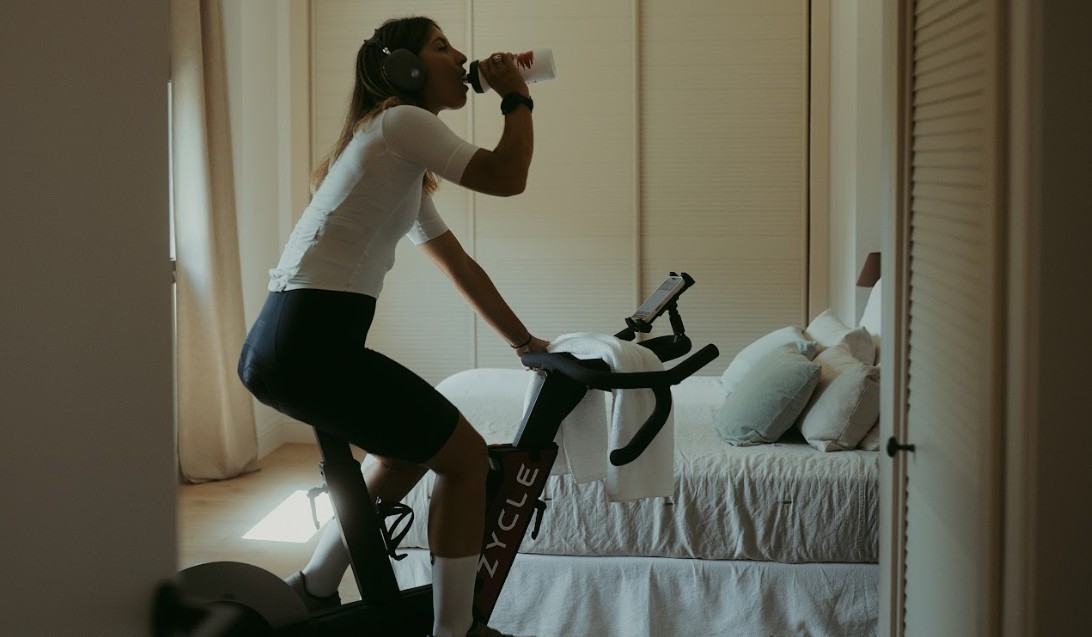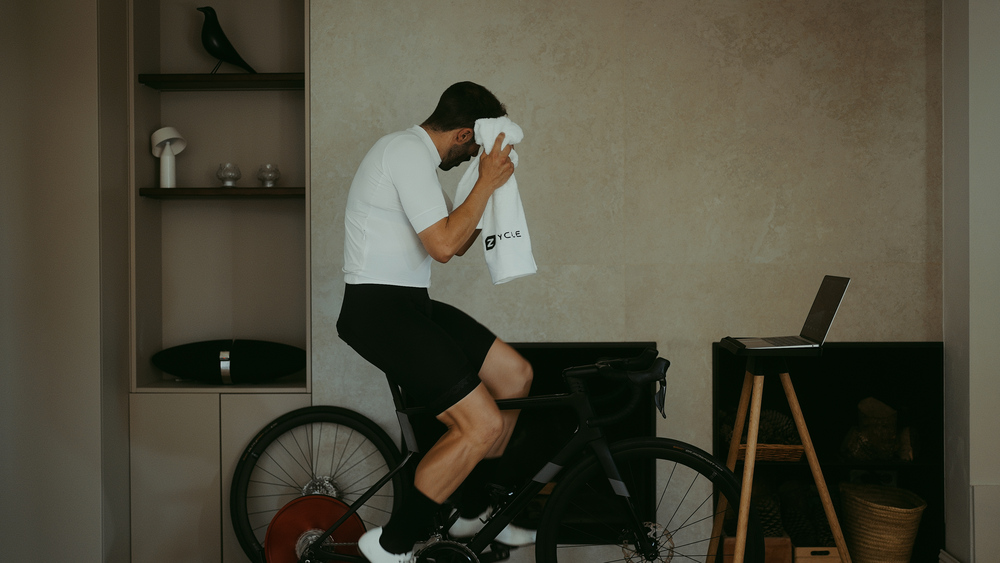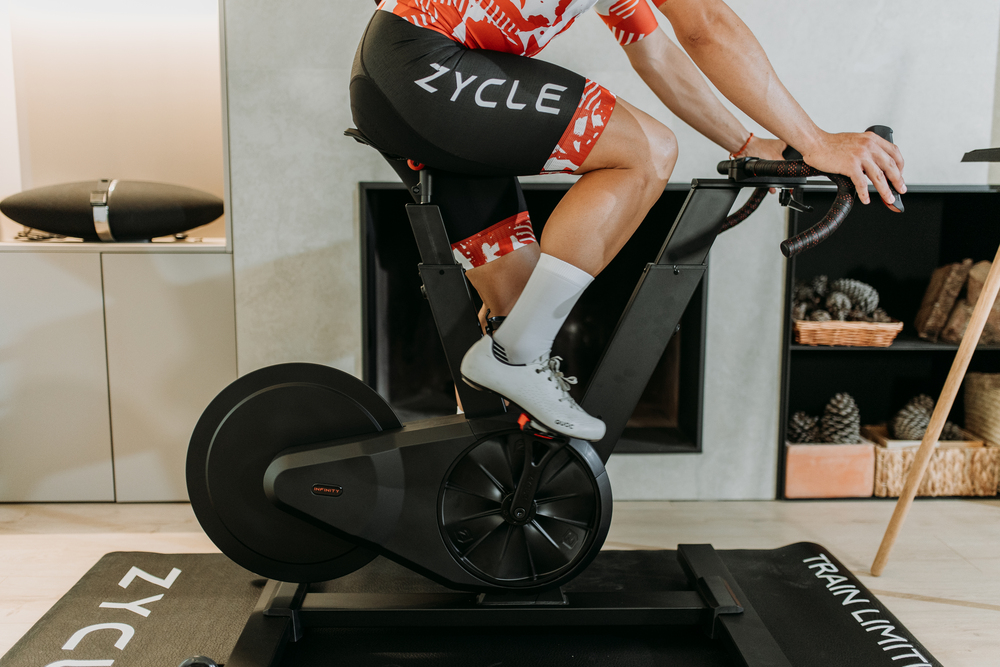
Caffeine is one of the few legal aids with real scientific backing to improve cycling performance. Riding better, delaying the feeling of fatigue, and staying focused during the hardest intervals are consistent benefits when used wisely. In indoor cycling, where every watt counts and there are no descents to rest, that margin is noticeable.
Sweet spot in indoor cycling: what it is and how to fit it into your week
If you’ve been training indoors for a while and want to gain power without ending every session at your limit, __CCMC_TOKEN_OPEN_1__sweet spot__CCMC_TOKEN_CLOSE_2__ deserves a fixed place in your plan. It’s one of the most efficient zones in cycling training: intense enough to improve your threshold, yet controlled enough to sustain it several times a week without breaking down.
Cycling power meter: what it is, how it works, and why it’s key to measuring your true effort
Power meters stopped being an accessory reserved for professionals years ago. Today, any cyclist who trains regularly can access reliable power measurement, both on the road and on the trainer or an indoor smartbike. Understanding what it does and how to interpret it changes the way you plan sessions and read your own performance.
How to avoid soreness after cycling: strategies before and after training
Muscle soreness is one of the most common discomforts after an intense indoor cycling session, a return to the trainer after a break, or a first class with the cadence cranked up. It’s not dangerous, but it does limit performance in the following days and, if it keeps happening, it can undermine your consistency. The good news is that you can greatly reduce it with simple decisions on and off the bike.
VO2max intervals on the indoor trainer: workout examples and signs to adjust the load
High-intensity training is among the most effective stimuli for improving cycling performance. Among these, VO2max intervals on the indoor trainer stand out because they allow you to work close to the body’s maximum oxygen uptake, a key variable in any cyclist’s aerobic capacity.
Trainer mat: what it adds and how to choose one for a premium setup
When setting up an indoor cycling space at home, it’s common to focus on the most visible pieces of equipment. The trainer, the bike, or the training platform are usually the stars of the setup.
Cycling power zones: how to calculate and apply them indoors
Understanding the different types of cycling training and what each one is for helps you decide which zones to work in each session and how to distribute the training load.
Ideal cadence on the trainer: how to train it and which metrics to monitor
When training indoor cycling, it’s common to focus on power, session duration, or heart rate. However, there’s another variable that directly affects pedaling efficiency and muscle fatigue: the ideal cadence on the trainer. Understanding how it works and how to train it helps improve pedaling technique and get more out of every session.
How to Use a Heart Rate Monitor in Indoor Cycling to Control Intensity
Indoor cycling allows you to train with precision and repeat sessions consistently, but for that training to be truly effective, you need to control ...
Numbness and Discomfort in Indoor Cycling: Common Causes and Practical Adjustments
Indoor cycling allows you to train consistently and control many training variables, but it also makes certain issues appear more easily than when ri ...