
 Cart is empty
Energy bars for cycling are convenient, easy to carry, and useful when you need to add energy without stopping for too long. But not all of them fit equally well in a short session, an endurance workout, or an intense ride with changes of pace, where digestion also matters. Choosing poorly can leave you feeling heavy or low on energy.
Choosing well is not just about looking at flavor or calories. The duration of the session, intensity, timing of consumption, and how your stomach tolerates each texture also matter. Indoors, where you can control effort precisely, testing them is easier and allows you to adjust without improvising on the important day.
What an energy bar provides
A bar usually provides carbohydrates, some fat, fiber, or protein depending on the formula, and a more solid texture than a gel. That makes it useful when you want sustained energy and do not need absorption as fast as in a very explosive effort or a short high-intensity interval.
There is no perfect bar for everyone. Some work better before starting, others during long sessions, and others as support after training. That is why it is worth understanding them within a broader strategy of supplements for cyclists and when to take them, not as an isolated solution or an automatic substitute for a complete meal.
Short sessions of less than one hour
If you are going to ride for less than an hour and you start with enough energy, you probably do not need a bar during the session. In many cases, it is enough to have eaten well beforehand, stay hydrated, and adjust the intensity to the training goal, especially if the work will be technical, aerobic, or low in cardiovascular load.
A bar can make sense if you train early, if you have gone several hours without eating, or if the session includes intensity. In that case, a light option before getting on the bike can prevent an empty feeling without overloading your stomach or affecting your pedaling rhythm during the warm-up.
Workouts of one to two hours
When the session gets close to 90 minutes, the strategy changes. Even if you start with good reserves, maintaining medium or high intensity can deplete available energy. Here, an easy-to-chew bar can help you sustain the pace without relying only on your previous meal or waiting until you notice a clear drop in energy.
The practical approach is to take small portions, not wait until you feel hungry. If the bar is very dense, you can divide it and take it with water. This planning is easier to understand when you know what to eat before and after a spinning class, because indoor training also requires preparing energy, hydration, and recovery.
Long rides or endurance sessions
In long sessions, bars work well as part of a repeated plan. You can alternate them with an isotonic drink, fruit, or gels, depending on tolerance and goal. The important thing is not to try a new bar for the first time on a demanding ride if you do not know how your digestion responds under effort when intensity increases.
Texture matters more than it may seem. A dry bar can be uncomfortable when you are breathing hard, while a soft texture is easier to chew. If the session is indoors, you can cut it into pieces and take it calmly between blocks, without losing focus or dirtying the equipment during the session.
How to choose based on intensity
The more intense the session, the harder it usually is to chew and digest something solid. For very hard intervals, it may make more sense to take the bar beforehand or save it for an easier section. For steady rides, it can fit during the workout itself if you tolerate it well, drink enough, and do not need to breathe at your limit.
Also pay attention to the composition. A bar with a lot of fiber or fat can be filling, but it is not always the best option during intense efforts. If you are looking for quick energy, prioritize carbohydrates that are easy to tolerate. If you are looking for support in a long, moderate session, a more complete formula may work better and feel more comfortable.
Timing also changes the effect. Before a session, you want to start with energy. During it, you want to sustain the effort without discomfort. Afterward, the goal is to replenish and begin recovering. That is why the metabolic window after exercise helps you decide when a bar provides real value and when a more complete meal is a better option.
When to take it before or after
Before training, a bar can be useful if you need something practical between meals. Ideally, you should test the timing that you tolerate best: some people take it 60–90 minutes before, while others prefer half a bar closer to the session so they do not start hungry or with an empty feeling during the warm-up.
Afterward, it can help if you are not going to eat right away, although it does not replace a complete meal. Recovery improves when you replenish energy, fluids, and some protein if the workout has been demanding. This part is especially important when you have several sessions within a few days and want to feel good going into the next workout.
Test your bars indoors
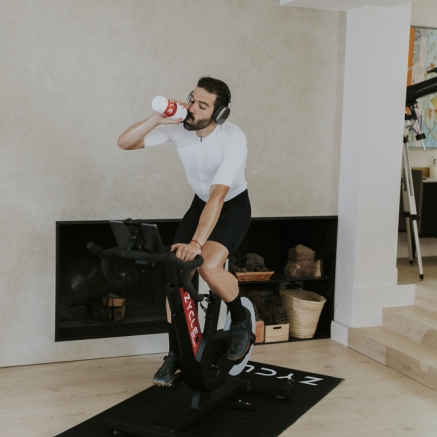
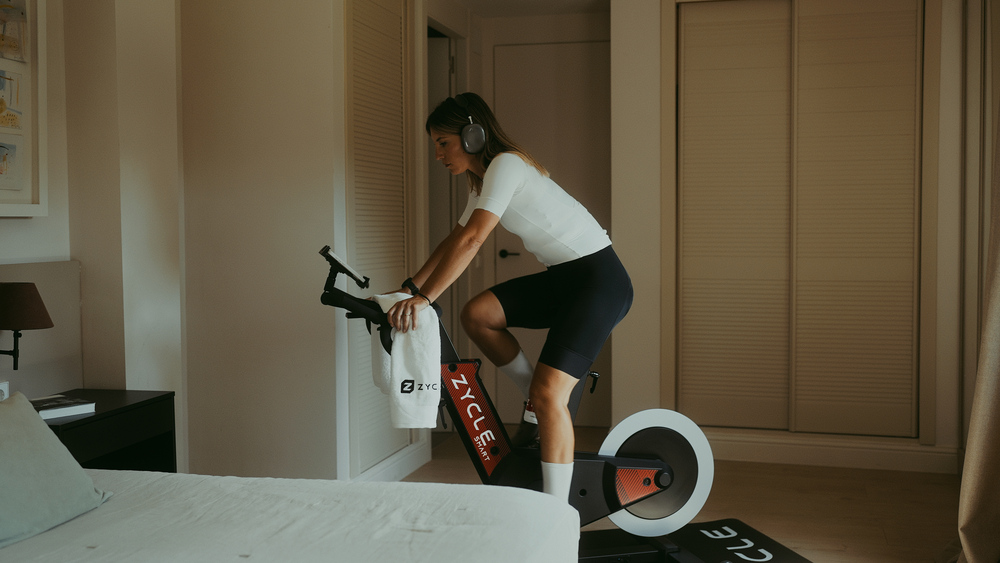
Indoor training is a good laboratory for testing nutrition without external risks. You can repeat a similar session, use the same intensity, and check whether the bar suits you. If you notice heaviness, excessive thirst, or discomfort, change the amount, timing, or format in the next test, without waiting for a long ride.
On a smart trainer like the Smart ZDrive MAX for long sessions at home, you can control resistance blocks and duration with stability. That consistency helps separate whether the problem comes from nutrition, effort, or having started with low energy before riding under similar conditions.
The best bar is not the one that promises the most, but the one that fits your training and your digestion. If you are doing a short session, you may not need it. If you are aiming for endurance, it can help you sustain the effort. And if you train with intensity, testing beforehand will always be smarter than improvising when you are already running low on strength, concentration, and energy. That prior test makes the difference.