
 Cart is empty
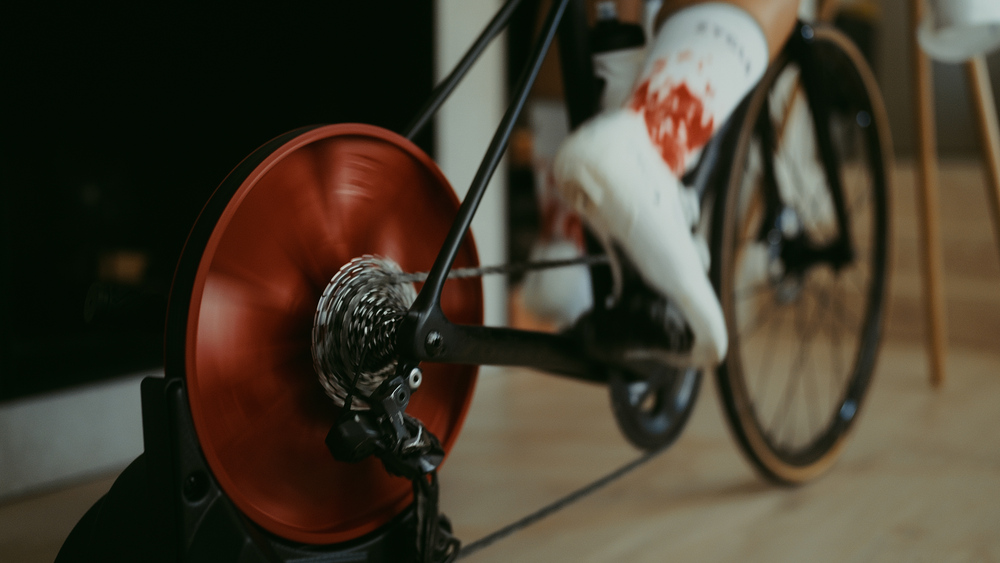
You finish the indoor FTP test, a number appears and you have to decide what to do with it. Before comparing it with the previous one, it is worth looking at how you got there. Starting too fast, a connection failure or the heat in the room can affect both the result and your fitness level.
The two most common tests involve different types of effort. In the twenty-minute test, you manage your pace to reach the end with high and fairly steady power. In the ramp test, you follow progressively harder steps. Both are demanding and require being accustomed to exercise, feeling well and having no contraindications. If you experience chest pain, dizziness or unusual shortness of breath, stop the test and seek medical attention.
What the FTP number tells you
FTP serves as a reference for sustainable power to adjust training sessions. Understanding what FTP means in cycling helps you use it correctly: setting intensities that make sense for your current ability. If the value is too high, sessions can become much harder than expected.
Short tests provide an estimate, not a direct lactate measurement. Nor do they certify that you can sustain the result for exactly sixty minutes. The intervals in the following weeks will help confirm whether that FTP works for your training. That is why it is useful to save the data together with the method used, rather than treating it as a definitive figure.
Check your setup before starting
Decide which device will send watts to the app. If you have a smart trainer and power meter pedals, check which one you have paired as the power source. Reviewing how a power meter measures power can clarify the differences. To compare two tests, it is most useful to keep using the same device and follow its calibration or zero-offset instructions.
A disconnection halfway through the effort can ruin the test. It is worth spending a few minutes checking connections and the battery, where applicable, and getting the fan and water ready. It is also advisable to arrive rested and with your usual nutrition. If you are coming from a hard session or a particularly bad night, postponing the attempt will prevent that fatigue from affecting the comparison.
The twenty-minute protocol, from warm-up to calculation
The twenty minutes are not the whole test. The full test session includes a warm-up that, depending on the version, may add progressions, a five-minute effort and specific recoveries before the main block. That sequence also matters. Cutting it short to save time changes the conditions under which the result is interpreted, even if you complete the final twenty minutes.
When the block starts, aim for a hard pace that you can sustain. During this section, you need to regulate your own power through gearing and cadence, without ERG mode imposing a fixed target. The first few minutes can be misleading: starting too fast usually forces you to ease off significantly later. Check how you are doing every few minutes and make small adjustments, trying to reach the end without major changes in pace.
The conventional calculation applies 95% of the average power from the block, excluding the warm-up and recovery. An average of 240 W is equivalent to an estimated FTP of 228 W. The full twenty minutes must be included: if there was one particularly good section and another where you faded, both are part of the result. Selecting only your best minutes distorts the calculation.
How to approach the ramp test steps
In the ramp test, the app gradually increases the power you need to sustain. Follow the chosen protocol, including the planned warm-up, and select the version that matches your profile if there are several. The increments and duration of the steps vary between tests. Copying another cyclist’s values may lead you to perform a different test.
Maintain a comfortable cadence, follow the instruction to remain seated when there is one, and keep following the targets until you can no longer sustain them. With a compatible trainer, ERG mode regulates resistance. As cadence drops significantly, each pedal stroke can become harder. If you stop to recover and then continue, that attempt no longer represents the same progression of effort.
In TrainerRoad, the usual reference is approximately 75% of the best minute, with possible algorithm adjustments. That minute may include part of the final step, even if you did not complete it. Let the app do its calculation and save the session file. Other platforms may use a different procedure, so avoid applying that formula to them by default.
Review the curve before celebrating or dismissing the result
The power curve from the twenty-minute test shows how you paced it. A very high start followed by a steady drop points to a pacing issue. If you held back so much that you can accelerate significantly at the end, you may lack familiarity with the test. To try again, you will need to recover first, even if you feel like correcting a number that does not convince you.
A change of equipment or a signal dropout can also explain an unexpected result. To know which device is measuring, simply check the paired source. If the power comes from our ZDrive MAX direct-drive trainer, you are using factory-calibrated equipment and should follow its instructions for use. If you have paired an external sensor, the zero offset or calibration will depend on that sensor.
Bring the result into your next sessions
With the new FTP, you can update the indoor training power zones in the app. Then it is time to see how you complete several workouts. If the intervals become consistently unmanageable despite arriving rested, you will need to review that reference and the planned workload. When two protocols provide different figures, choosing the higher one simply because you like it more may end up making your sessions too hard.
Along with the result, it is worth saving the date, protocol, equipment, ventilation and a note about how you felt. When the block ends or you need to update the reference, you will have a way to repeat similar conditions. And if you started too hard this time, that note will remind you where to begin improving the next test before asking yourself for more watts.