
 Your cart is empty.

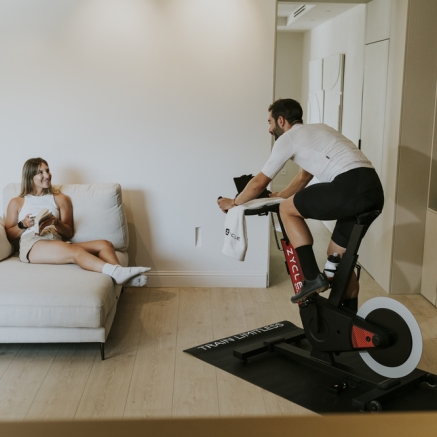
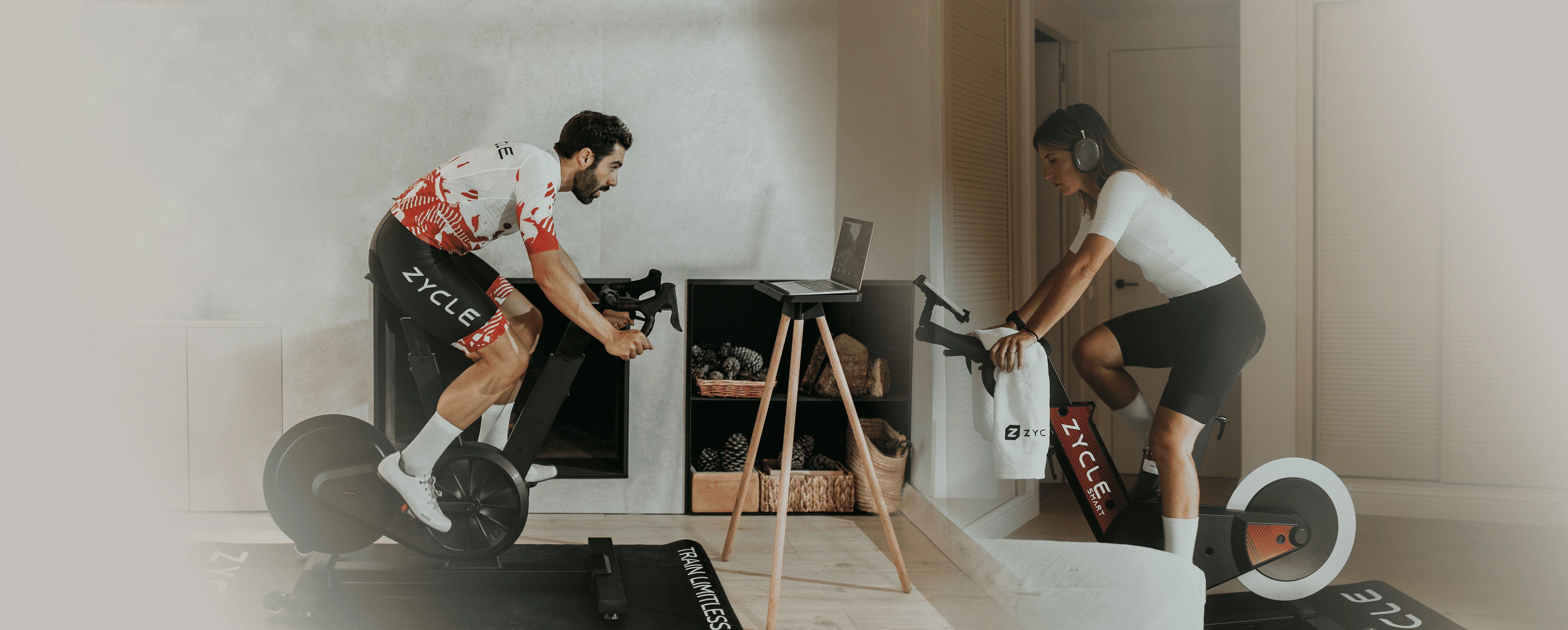
Indoor cycling at home is no longer an individual activity. It is increasingly common for a single smartbike to be shared by multiple users, whether within a family, between partners, or in shared training spaces. This shared use presents a clear challenge: adjusting a spinning bike quickly without compromising precision or comfort.
Poor setup not only reduces training effectiveness, it also increases the risk of discomfort and diminishes the overall indoor experience. That is why understanding how to make quick and repeatable adjustments is essential when a smartbike is used by several people throughout the week.
Why Proper Adjustment Is Critical on a Shared Smartbike
In indoor cycling, the riding position is maintained for long periods of time. Unlike outdoor cycling, there are fewer posture changes and the body remains more static. This means that any setup error is felt sooner and has a greater impact, especially when repeated session after session.
When several users ride the same bike without properly readjusting it, discomfort in the knees, lower back, or upper body is common. A practical way to avoid this is to start from a solid positional foundation and review it carefully at least once, as explained in guides on maintaining proper posture on an indoor bike.
Adjustments That Must Always Be Modified Between Users
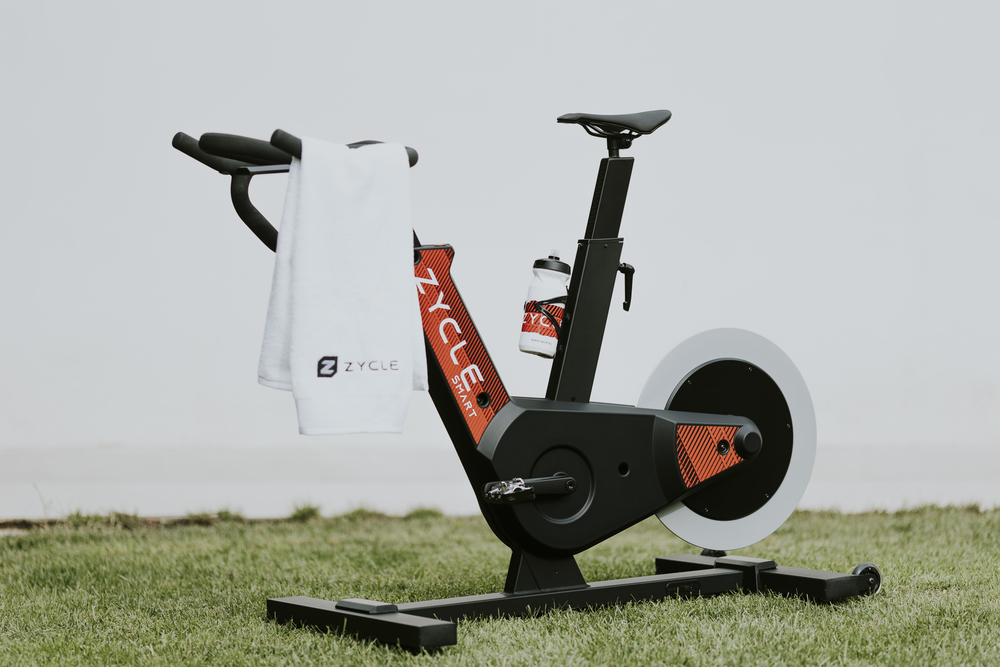
Although each person has different body proportions, there are specific settings that should always be reviewed whenever the rider changes. Ignoring them is one of the most frequent mistakes when sharing an indoor bike.
Saddle Height
This is the most important adjustment. Incorrect height directly affects pedaling efficiency and knee health. On a shared bike, assuming that the height “more or less works” often leads to overuse issues or persistent discomfort.
Each user should know their reference height in order to adjust the spinning bike within seconds, without trial and error.
Saddle Fore-Aft Position
The distance from the pedaling axis influences stability and weight distribution. A saddle that is too far forward or too far back changes the load on the knees and hips, which becomes particularly noticeable when training regularly.
This adjustment is essential when there are differences in height or leg length between users.
Handlebar Height and Reach
The handlebar determines trunk posture and the load placed on the hands. On a shared smartbike, this point is often neglected more than it should be.
An incorrect position can cause tension in the shoulders, neck, or hands. In fact, hand numbness is one of the common discomforts in indoor cycling, and specialists explain how to prevent it by avoiding frequent pedaling mistakes.
How to Adjust a Spinning Bike Quickly and Precisely
In a shared environment, the key is not only to adjust correctly, but to do so without wasting time or losing accuracy. To achieve this, it is advisable to follow a clear and repeatable logic.
The first step is for each user to know their basic measurements. There is no need to memorize them to the millimeter, but having a clear reference for saddle and handlebar position is essential.
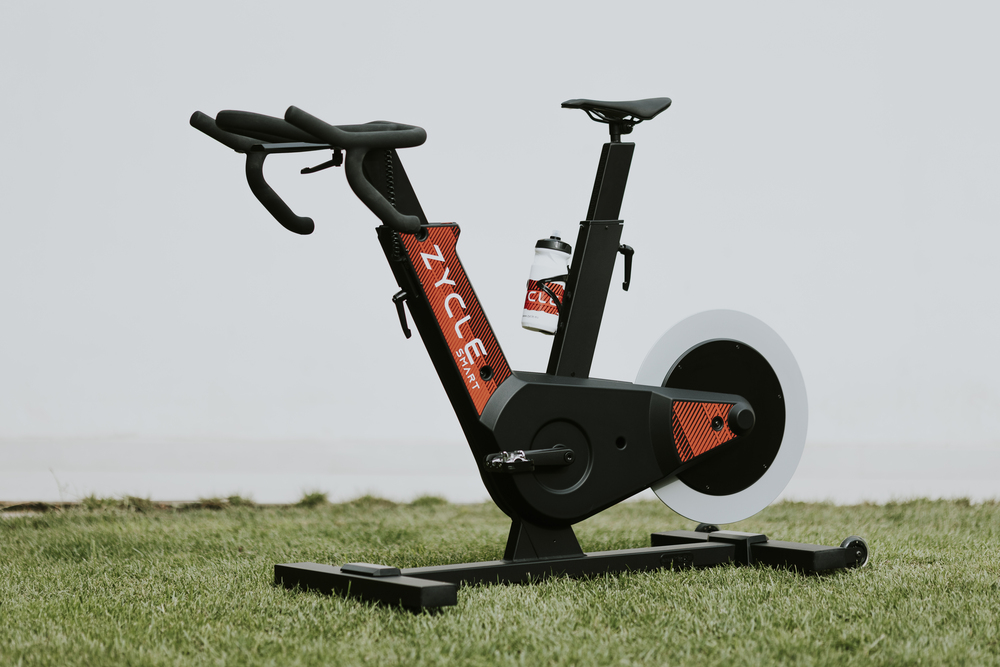
The second step is to take advantage of adjustment systems with numbering or visible markings. This allows the bike to be returned to the exact same position every time, without relying on subjective sensations.
Finally, it is important to make adjustments in the same order every time. Starting with the saddle and finishing with the handlebar prevents misalignments caused by subsequent changes.
Advantages of a Smartbike Designed for Multiple Users
Not all indoor bikes are truly prepared for shared use. On many models, adjustments are slow or imprecise, which often results in users training in incorrect positions simply for convenience or lack of time.
A smartbike designed for multiple users enables quick changes without sacrificing accuracy. This translates into more comfortable workouts, a lower risk of discomfort, and a much smoother training experience.
In advanced models such as the realistic smart bike ZBike Infinity, adjustment systems are specifically designed to facilitate these changes while maintaining a stable and repeatable position for each user.
Common Mistakes When Sharing a Smartbike
One of the most common mistakes is failing to readjust the bike between sessions. Even if the change of user is quick, training for just a few minutes in a poor position can have a medium-term impact.
Another frequent error is adjusting only the saddle and forgetting the handlebar. This creates an unbalanced posture that often leads to discomfort in the neck, shoulders, or hands.
It is also common not to check the overall stability after moving the bike or changing its location. If you alternate between a smartbike and a trainer at home, it is advisable to review the setup to avoid wobbling and inconsistent adjustments, as detailed in guides on setting up a bike trainer for more stable and efficient sessions.
How to Organize Adjustments When There Are Several Regular Users
When the smartbike is shared regularly, it is advisable to establish a simple system agreed upon by all users. Each person should clearly know their reference settings and take responsibility for leaving the bike ready for the next rider.
A good practice is to use visible markings or write down the usual positions. This reduces adjustment time and prevents cumulative errors.
In addition, periodically reviewing the settings helps detect small changes in posture or sensations, which is normal when training consistently.
Quick Adjustments and Precision: The Key to Better Training
Sharing a smartbike does not have to be a problem if the adjustment system supports it. Knowing how to adjust a spinning bike quickly and precisely allows each user to train under optimal conditions, without compromising effectiveness or comfort.
Spending a few seconds properly adjusting the saddle and handlebar makes the difference between a productive session and a source of discomfort. In indoor cycling, where repetition is constant, these details are what guarantee a sustainable training experience in the long term.