
 Your cart is empty.
September arrives, you look at the event calendar and decide that this season you are going to train better. Then the first difficult week comes along and sessions once again depend on whatever free time is left. SMART goals are designed precisely to define that purpose: what you want to achieve, by when and how you will know whether you are making progress.
You can apply them to a sporting event or to getting back on the bike three days a week. To prepare for a cycling event, you may need to improve a specific ability. If you have been training sporadically for months, your first goal may be to make room in your schedule.
From training more to knowing what you want to achieve
SMART brings together five criteria: specific, measurable, achievable, relevant and time-bound. A goal should state what you are going to do and when, be verifiable and fit your possibilities. The “relevant” part often goes unnoticed: why do you want that improvement? Increasing your FTP may interest you, but perhaps what you need to enjoy your rides is to better sustain their duration.
First, write the goal in one sentence. For example: over the next eight weeks, I will complete three bike sessions on Tuesdays, Thursdays and Sundays, and I will review my progress at the end of the fourth week. There are set days, a time frame and something you can count. To then decide what work to include, the keys to designing your indoor workouts will help you organize your sessions.
The schedule may be well distributed and still fail. If you usually get home late on Thursdays, that third session is difficult from the outset. Moving it, shortening it or starting with two days turns the proposal into a manageable commitment. It is better to solve it when making the plan than to discover it with your training clothes still in the bag.
Make room in a normal week
Look at the past few weeks and note when you have actually been able to ride. Also account for the time it takes to get changed, prepare your equipment and shower. A forty-minute session takes up more than forty minutes in your schedule. When training for cycling when you have little time, these details explain why some schedules work and others are quickly abandoned.
Having a main schedule and an alternative saves you from last-minute decisions. If it rains on Sunday, a shorter indoor session can replace the ride. The perfect week, without delays, fatigue or family plans, is of little use when organizing several months of training.
Separate the outcome from the work you can control
Completing a cycling event within a certain time is an outcome goal. It gives you direction, although a mechanical issue or wind can affect the result. During preparation, you need other reference points: finishing a familiar ride with less fatigue, sustaining an effort more consistently or reaching the final climb with enough left to keep pedaling.
Process goals refer to what you do to prepare. Completing the planned days, respecting easy sessions and having your equipment ready are actions you can review every week. This way, when an event goes worse than expected, you have information to assess your preparation rather than being left with only the finishing time.
With just a few metrics, you can track progress. To regain a habit, sessions and minutes are enough. If you are looking for performance, add a measure of power or duration under similar conditions. A notebook with dates and observations can be more useful than several graphs from the simulator that you never look at again.
Eight weeks applied to indoor training
Imagine that you already do two weekly sessions of around thirty minutes and want to add a third. During the first few weeks, test where that new day fits and start with a duration you tolerate well. This eight-week example aims to establish the habit. The duration and content of each session are adjusted to your experience.
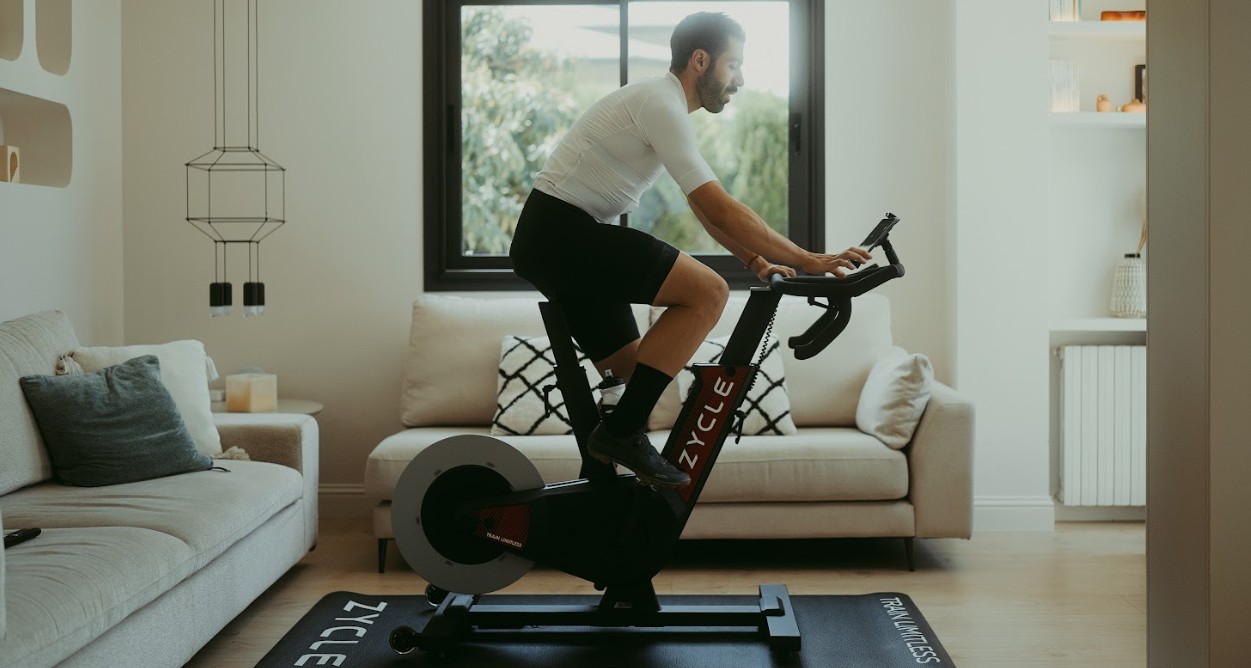
Suppose you choose Tuesday and Thursday to ride at home, leaving Sunday more open. With an indoor bike such as ZBike Infinity, you can track power and use compatible simulators. Save a familiar session to repeat: it will be easier to compare how you complete it than to interpret different workouts every time you get on the bike.
When you reach the fourth week, review what happened. Perhaps you completed Tuesdays and Sundays, but only trained on one Thursday. There is a clear clue: that time slot is not working. Before increasing minutes or looking for another plan, try moving it. If you have completed all three days and are recovering well, you can keep the distribution during the second half of the block.
The conditions of each session help make sense of the data. Sleeping little or training in warmer weather can change how you feel. A note such as “short night, heavy legs from the start” explains something watts do not tell you and helps distinguish an unworkable schedule from a workout that happened to coincide with a bad day.
What to review when the plan starts to fail
Some weeks the problem is the schedule, while in others it is difficult to get started even when you have time. Mental fatigue during indoor trainer workouts deserves attention. Notice whether you are repeating sessions that are too long for the time you have, whether you have lost interest or whether you arrive tired before you even begin.
That review should lead to decisions. If you have been ill, perhaps it is time to reconsider the date of the cycling event. If you have been cutting it close to training for weeks, simply shortening its duration may be enough. What was left undone does not have to pile up at the weekend: cramming everything in at the last minute does not solve the problem that prevented you from training.
When preparing the next block, you already have a schedule you have tested. You may feel like doing a longer ride or prefer to keep the three days for another month. If Thursday is still impossible and Saturday has worked, the next goal can start there. There is no need to launch a whole new plan when you already know which part fits your week.