 Your cart is empty.
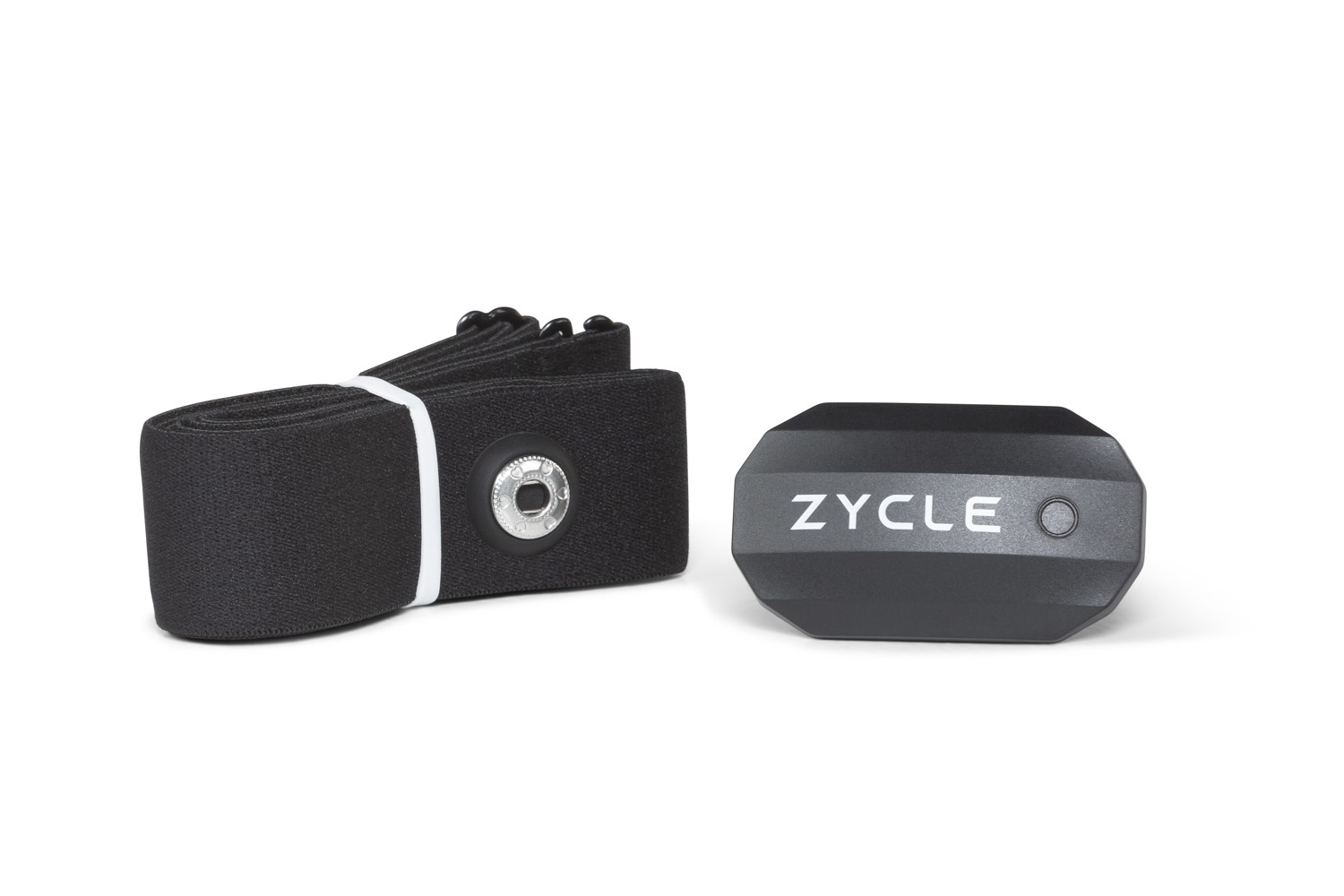 Free ZCore heart rate monitor
Cycling Q factor often appears in specifications alongside crank length and saddle adjustments. It describes a dimension of the bike that affects the pedals' lateral position. Understanding it helps you compare equipment and explain why your feet may feel further apart on a different bike, even after copying your saddle height.
That feeling depends on several parts of the system. Crank width matters, but so do pedals, shoes and cleat position. It is therefore useful to distinguish the manufacturer's stated dimension from the actual distance between your points of support. No single number tells you which position will feel most comfortable for everyone.
What Q factor actually measures
Q factor is usually defined as the distance between the outer crank faces, measured near the pedal attachment points in the lateral direction. When comparing figures, check that manufacturers use the same reference. If a specification refers to the distance between pedals without saying where it is measured, it may describe a different dimension and direct comparison could be unreliable.
This width differs from crank length, which describes the lever between the bottom bracket axis and the pedal axis. The former positions the system laterally, while the latter changes the movement's radius. Our explanation of crank length and indoor bike fit explores that other measurement. Keeping the concepts distinct helps you read specifications without attributing one adjustment's effects to another.
Why the distance between your feet can differ
Stance width also depends on how far each pedal axle extends and where the foot sits on that pedal. In clipless systems, lateral cleat adjustment changes shoe position. Rotation and angular float are different adjustments. Confusing them can lead you to alter the foot's orientation when you intended to review its distance from the centre of the bike.
Two cyclists on the same equipment can end up with different support positions if they use different pedals and cleats. You may also notice a change between a road bike and an indoor bike despite matching heights. Before seeking an ideal figure, review the whole system as part of an indoor bike fit assessment. Specifications are a starting point rather than a complete description of your position.
How it can influence your pedalling
Changing lateral spacing may alter leg movement and the forces acting around the knee. Biomechanical studies show that varying this width can change certain joint loads, although findings depend on the conditions studied. A smaller measurement does not guarantee efficiency, just as increasing spacing does not ensure comfort. The effects cannot automatically be applied to every cyclist.
Observe your position while pedalling at an effort you can sustain naturally. You do not need to force your knees along a perfectly vertical path or reproduce an ideal image. Anatomy, previous discomfort and other adjustments influence how you move. If pain occurs, watching yourself at home cannot replace professional assessment. Comfort during exercise and your subsequent response provide context for reviewing position thoughtfully.
What to compare when choosing an indoor bike
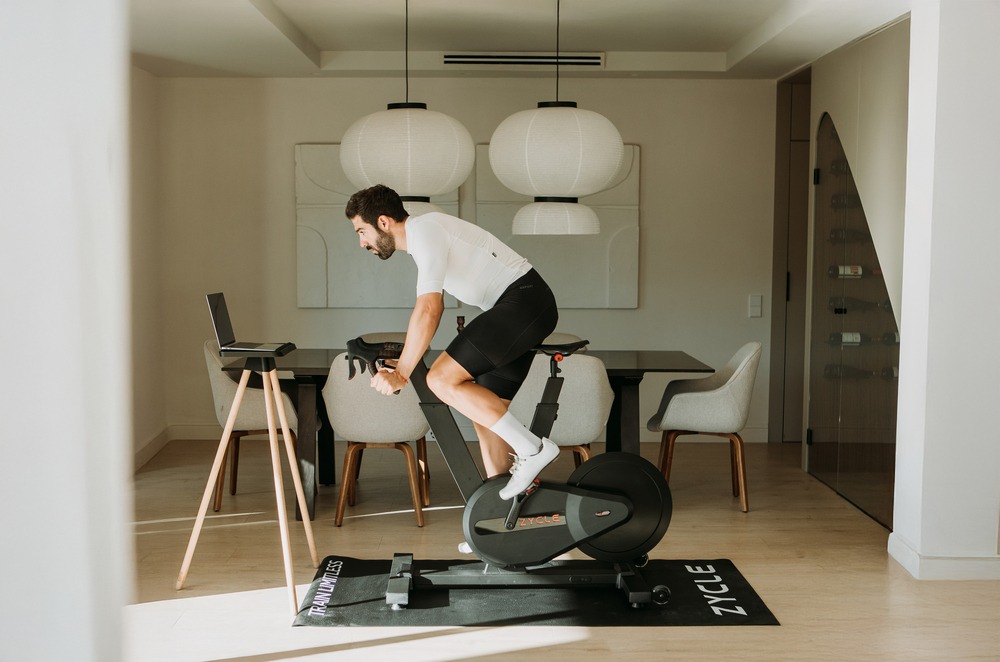
Consider Q factor alongside saddle and handlebar adjustment ranges, cranks and compatible pedals. For our ZBike Infinity for indoor cycling, the specifications state a Q factor of 152 mm and multi-position cranks. These features help compare geometry, although that measurement does not prescribe the exact distance your feet should be apart or guarantee an individual fit by itself.
If you already have a comfortable position on another bike, record what you are comparing before transferring it. Note the pedal model and cleat position as well as saddle height and setback. A gradual trial helps you notice differences without starting with an intense workout on the first day. When several people share a smartbike, each may need to review their position and the components they use.
Make adjustments using a clear reference
Before moving a cleat, mark its position and consult the manufacturer's instructions. Available movement, tightening and compatibility have limits. Avoid improvised spacers or adding washers without specific approval, as this may compromise pedal installation. If you need to alter spacing and do not know which component allows it, consult a technician or bike-fit professional before working on the system.
Try one change at a time, at a comfortable intensity and for long enough to observe your response. Maintaining a tolerable cadence helps compare sensations without adding another demand. Read more in our guide to what cadence means in cycling. The purpose of the trial is to gather information, rather than endure discomfort in the hope that adaptation will make it disappear.
Assess your response without chasing a universal figure
Note where you feel pressure or pain, when it starts and whether it continues after dismounting. If a change makes things worse, stop the trial and seek guidance. Persistent discomfort requires a review of more variables than Q factor. Saddle height, foot position, training load and your history may be involved, so attributing everything to a single measurement limits assessment.
The figure is useful when you know what it measures and how it relates to your components. It helps compare bikes and explain differences you notice. From there, position needs assessing as a whole, considering your movement and tolerance. Choosing with that information avoids chasing a number out of habit and helps you find a setup you can use consistently.