 Your cart is empty.
 Free ZCore heart rate monitor
Getting back on the bike after a break often brings the urge to regain your summer power straight away. However, a pre-season cycling training plan needs to start with what you can sustain now. An indoor trainer lets you structure that return, monitor how you feel and rebuild consistency without relying on daylight or road conditions.
Pre-season varies according to your experience, the break you have taken and the date of your next events. Someone who has continued riding gently starts from a different position to someone who has not trained for weeks. Before choosing sessions, decide how many days genuinely fit into your schedule and how much training you can absorb alongside work and rest.
Rebuild consistency before chasing personal bests
Your first task is to put together weeks you can complete. If you begin with too many hours and end up skipping sessions through exhaustion, the balance needs adjusting. Process goals, such as setting aside specific days to ride, help you assess the early stages. Our guide to SMART goals for cycling can help you make them specific without turning every workout into a test.
Note your recent training, any lingering discomfort and how long you have been off the bike. That information matters more than your best-ever result when choosing where to start. Returning after illness or injury may require professional guidance. Re-establishing your routine also means making room to sleep and eat normally, because having time available does not always mean you can tolerate more effort.
Start at an intensity you can control
Early workouts can focus on comfortable pedalling, with controlled breathing and enough room to talk. You do not need to finish exhausted for a session to be worthwhile. If you use power zones, check that your reference reflects your current fitness. Applying an old FTP after a long break can make a session labelled easy feel too demanding from the warm-up onwards.
Combine the data with perceived exertion and check whether you can keep the intensity steady without forcing your cadence. Our guidance on designing indoor cycling workouts can help you organise duration and content. At this stage, the purpose of each session should be clear before you start, without adding accelerations out of boredom or chasing other riders on a virtual route.
An example of how to arrange the first few weeks
Imagine you can set aside 3 sessions a week and have just returned to training. As an illustrative example, you could start with 30 minutes of comfortable riding on Tuesday, repeat it on Thursday and ride for 40 minutes on Saturday. Leave the days in between free for rest or gentle activity you already tolerate. This shows a cautious return, rather than a schedule suitable for every cyclist.
If you finish that week feeling good, you can maintain it or slightly extend just one session. If tiredness persists, repeat a lighter workload or reduce the time. A trainer with controllable resistance, such as those in our range of trainers for riding at home, makes it easier to stick to the planned session. The equipment helps you manage the work, but progression depends on your response and previous experience.
Increase the load without changing everything at once
Training load progression can come from more duration, frequency or intensity. Changing all three at once makes it harder to know what you have tolerated and what has caused fatigue. Once you have rebuilt consistency, choose a small change and review its effect over subsequent sessions. No weekly percentage guarantees appropriate progression for every person or situation.
Intensity also has a place in preparation, although introducing it requires context. A trained cyclist may need a different start from someone returning after months away. Avoid copying another rider's week simply because you share the same upcoming event. When deciding whether to add more demanding work, consider recovery between sessions, how easily you finish the planned training and whether any discomfort affects your pedalling.
Look after your surroundings and training off the bike
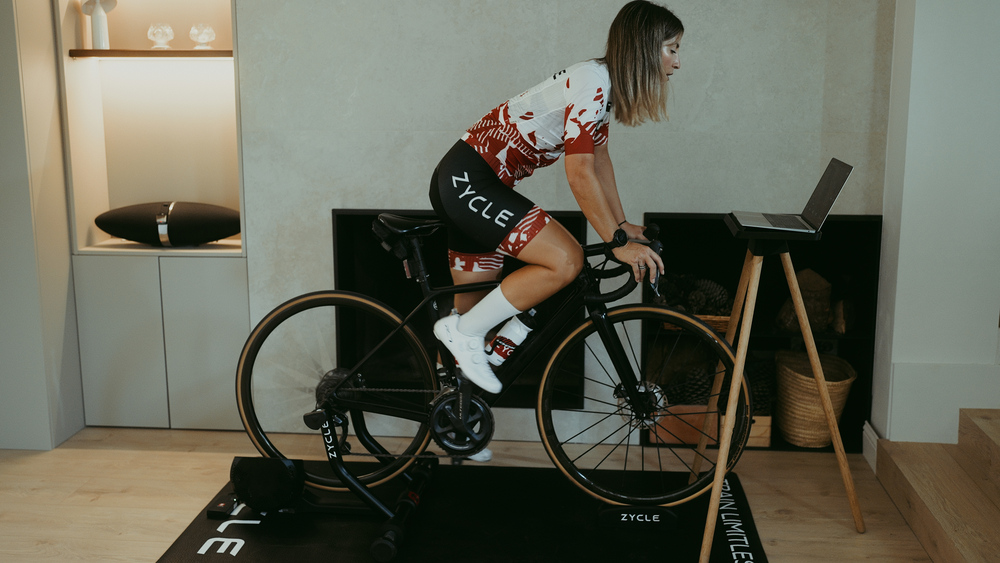
Indoors, you can repeat conditions, but you need adequate ventilation and a drink within reach. A hot room can increase perceived exertion even at the same power. Set up the fan, check that the equipment is stable and have a towel ready before starting. This reduces interruptions and helps you avoid mistaking an environmental problem for lost fitness or a poor response to the plan.
Strength work can accompany pre-season when adapted to your experience. Start with exercises you know how to perform and avoid trying a very demanding workout before an important ride. Mobility work and other activities also count towards your overall load. To organise rides when alternating indoor training and road cycling, read these tips for cycling in winter and adjust the balance to your actual circumstances.
Plan next week around how you have absorbed this one
Review your notes at the end of the week. Sleep, motivation to train and how your legs feel at the start add context to the numbers. One poor session can have many explanations. If fatigue keeps returning or affects daily life, reduce the demands and review the overall picture before adding more work. Persistent discomfort needs assessment, particularly if it changes your position.
As the sessions go by, you should be able to recognise a comfortable pace and a duration you tolerate without compromising the next workout. Once you regain stability, you will have a more reliable basis for updating references and organising specific blocks. The calendar guides preparation, but your individual response determines whether to progress, maintain or ease back. Returning with room to spare helps the following week fit into your life too.