 Tu carrito está vacío.
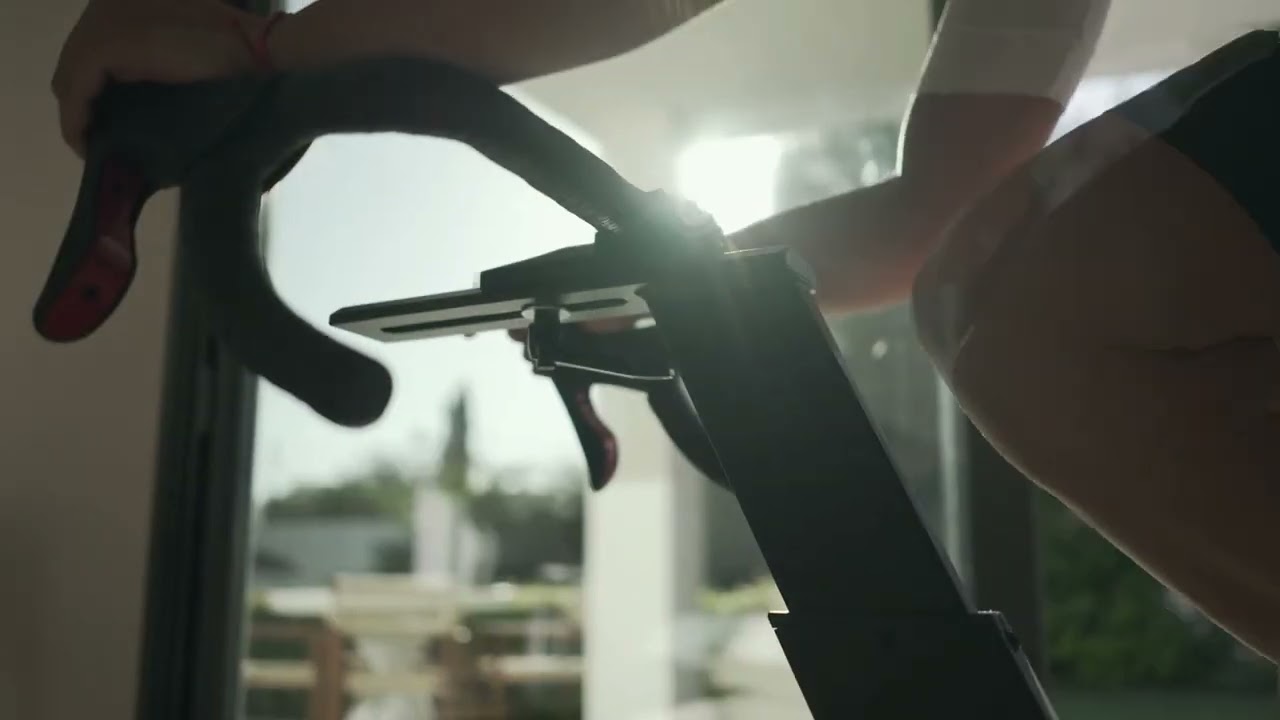
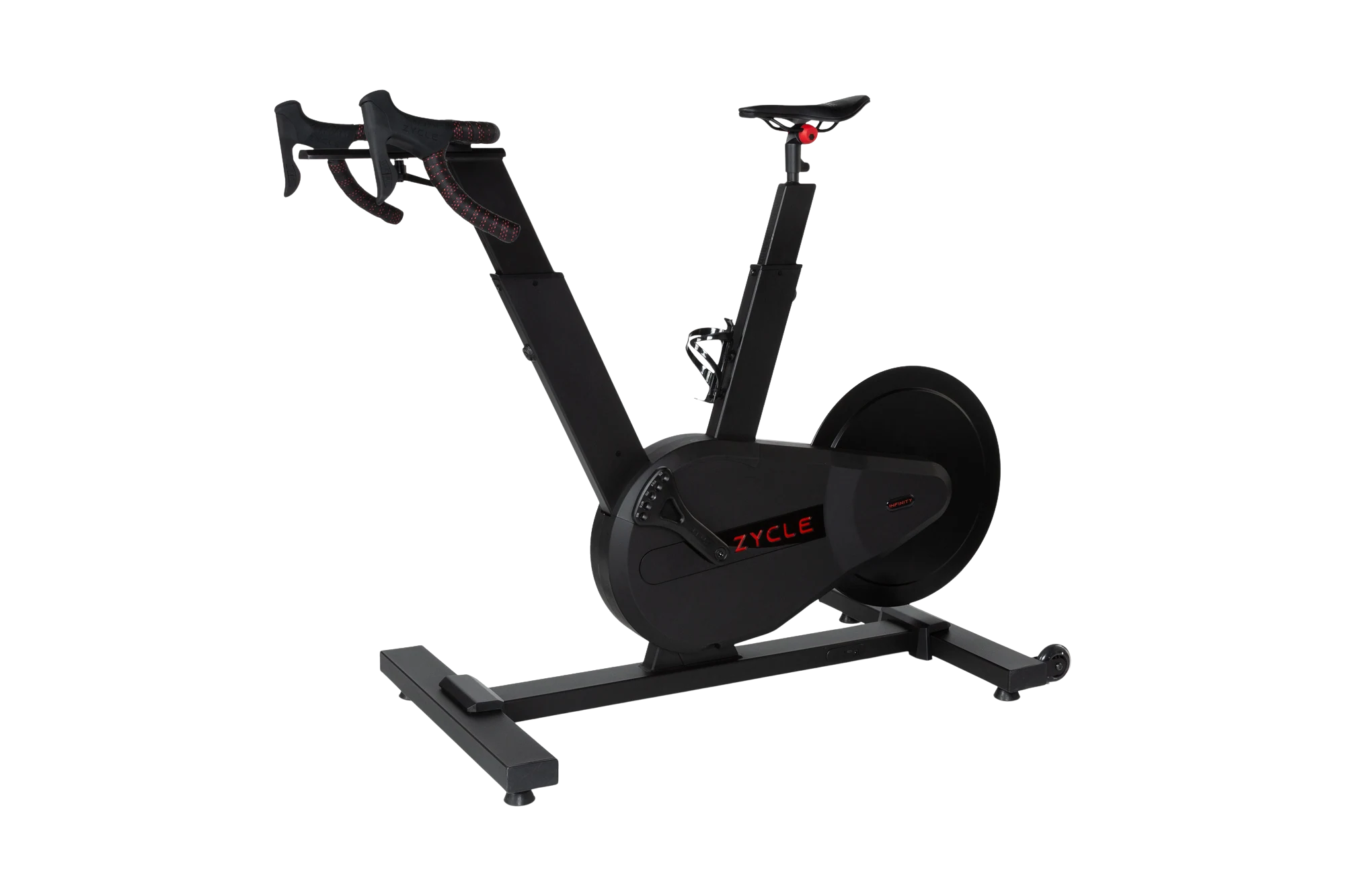
Entrena sin límites
Precisión, potencia y pasión en cada pedalada
Descubre la nueva ZBike Infinity
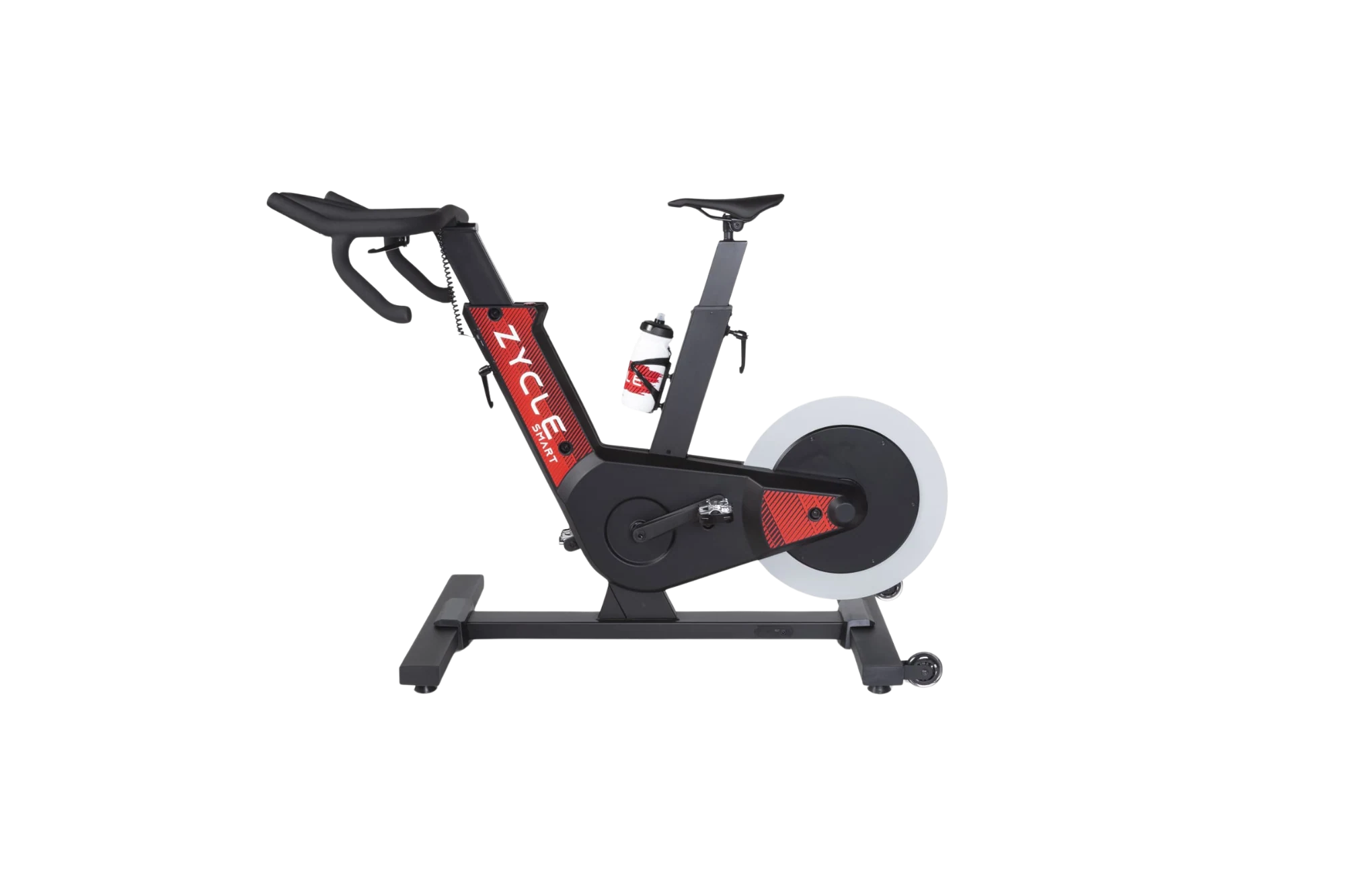
Entrena sin límites
Precisión, potencia y pasión en cada pedalada
Descubre la ZBike 2.0
Entrena sin límites
Precisión, potencia y pasión en cada pedalada
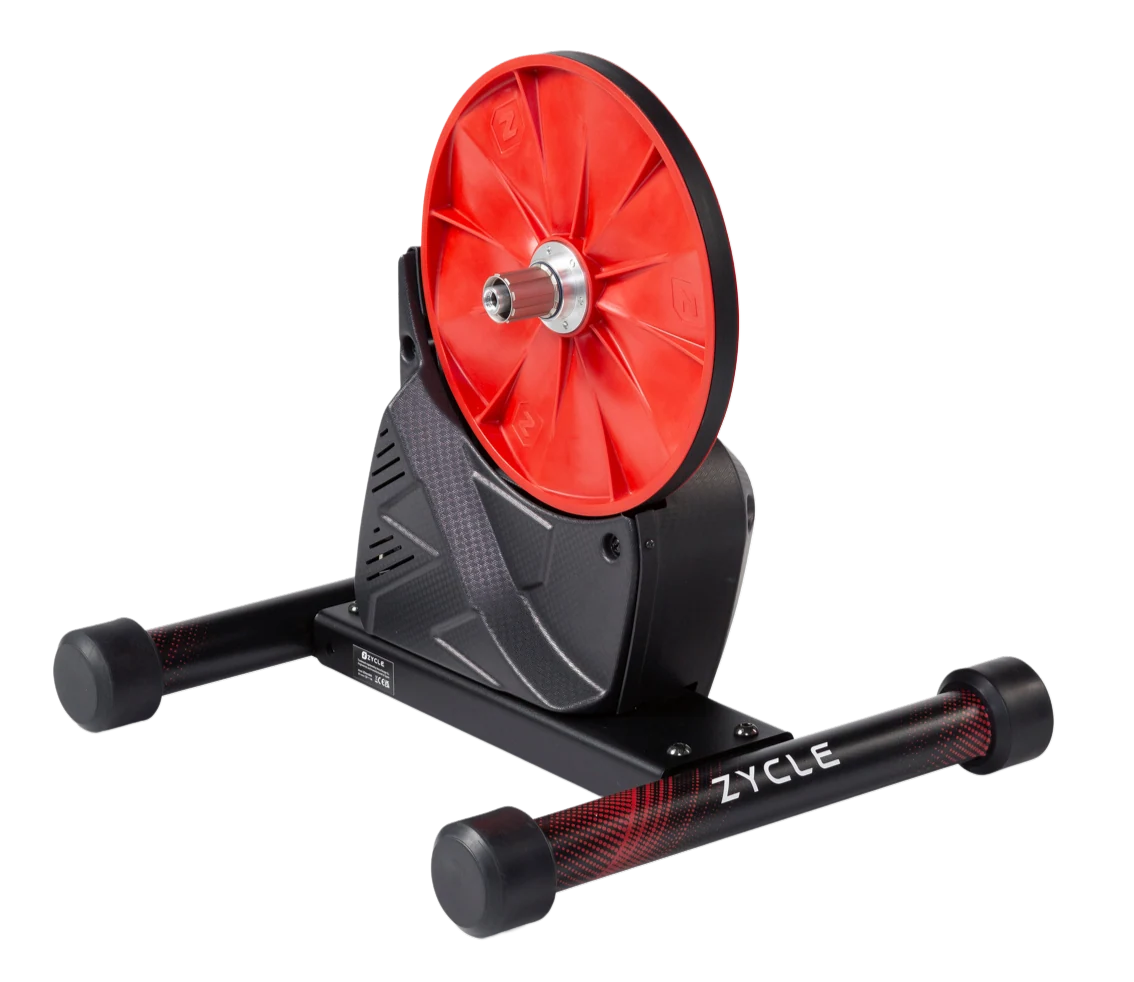
Descubre el ZDrive MAX






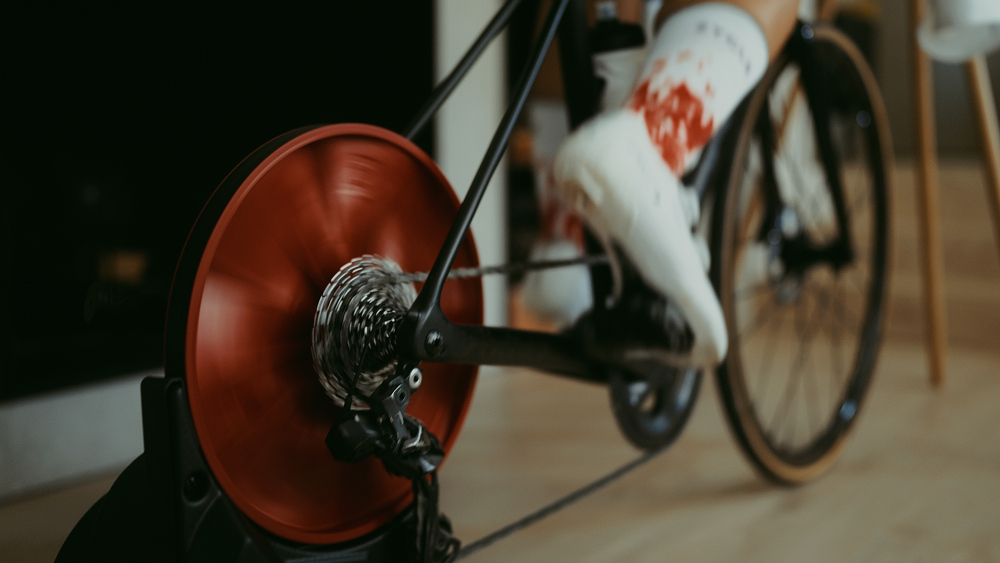
Test de FTP en rodillo: protocolo de 20 minutos y ramp test paso a paso
Terminas el test de FTP en rodillo, aparece una cifra y toca decidir qué hacer con ella. Antes de compararla con la anterior, merece la pena mirar cómo has llegado hasta ahí. Una salida demasiado rápida, una conexión que falla o el calor de la habitación pueden condicionar tanto el resultado como tu estado de forma.
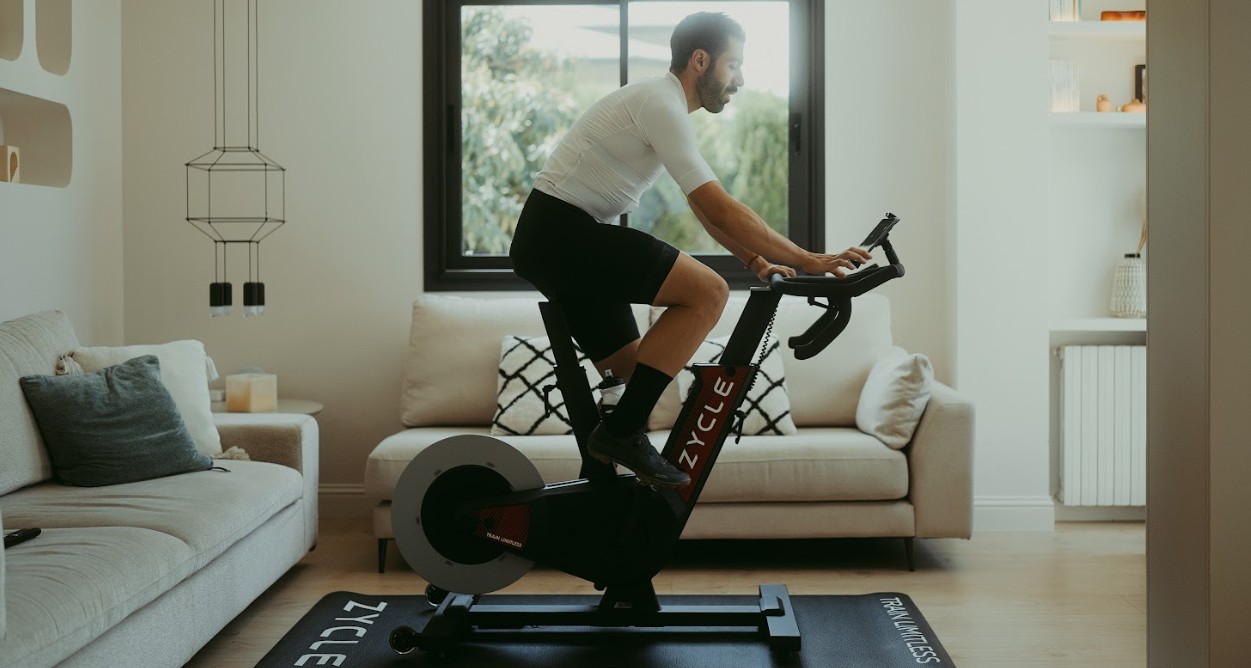
Objetivos SMART aplicados al ciclismo: planifica tu temporada con cabeza
Llega septiembre, miras el calendario de marchas y decides que esta temporada vas a entrenar mejor. Después aparece la primera semana complicada y las sesiones vuelven a depender del hueco que quede libre. Los objetivos SMART sirven precisamente para concretar ese propósito: qué quieres conseguir, en qué plazo y cómo sabrás si estás avanzando.
Publicado en Google

Carmelo Martínez de Guereñu
26/03/2025

Problema | Solución
Es la segunda vez que he tenido que llamar al soporte técnico de Zycle y he de decir que no deja de sorprenderme la orientación al cliente que preside la filosofía de esta empresa... En cuestión de una semana han respondido y actuado, sin excusas...
Lástima que este tipo de prácticas no sea más habitual. mientras que esto no suceda no me quedará otra opción que reseñar las acciones positivas.
Muchas gracias Andrés por tu profesionalidad, conocimiento y rapidez...
Publicado en Google

Josemi Viguria
24/03/2025
Muy satisfecho con el servicio recibido. Muy rápido y todo perfecto. El técnico, Andrés, muy amable y educado. Muy recomendable contactar con Zbike para la resolución de problemas. Muchas gracias.
Publicado en Google

Joaquin Muñoz
07/03/2025
Servicio postventa espectacular. Responden al momento, siempre dando soluciones hasta resolver el problema de forma profesional. Muy contento con todo el proceso de compra y con el producto.
Publicado en Google

francesca selva
07/03/2025
I've been using the ZBike 2.0 for more than one year now and I've to say that it is definitely a game changer!
Riding Indoor and feeling like outside thanks to the ERG mode it's amazing because I can complete my workouts in the perfect way.
My ZBike 2.0 is in my brother's house, he was a cyclist but now during the winter due the cold and the working time he was not riding at all. Since he has the ZBike 2.0 he doesn't skip a day to work out and when he was a real cyclist competing as an athlete he never did indoor trainings because he hated them, now it's pure love. He said that seems like playing a game but in the meantime you exercise too! Double win.
Publicado en Google

David Lopez
05/03/2025
Hoy en día, todo puede fallar o romperse, la diferencia está en las personas que hay detrás…. Cuando he tenido un problema con mi zbike siempre ha habido un equipo detrás para solucionármelo. Esta última vez en tiempo récord y asistido por Andrés, que me trajo mi zbike a casa a la hora que necesite y de muy buenas formas. Mi Zbike es clave en mi vida deportiva y personal, el saber que ante cualquier incidencia hay un equipo así detrás es lo que más me gusta de esta marca. Gracias por el esfuerzo que hacéis en el servicio post venta. Siempre un placer!!!!
Publicado en Google

Alejandro Araújo Ameijeiras
28/02/2025
Les he hecho una consulta sobre la Zycle 2.0 y me han respondido de manera rápida y adecuada, además de agradable.
Publicado en Google

luis simoes
24/02/2025
Venho agradecer a rapidez e a prontidão com que vocês resolveram o meu problema. Foram super rápidos e atenciosos.
É de enaltecer o vosso trabalho pós venda e de garantia. Bem haja.
Cumprimentos
Publicado en Google

Amaia Mutilva
23/02/2025
Llevo ya varios años utilizando sus bicis smart y son lo mejor que he encontrado en el mercado! Como deportista me es de gran ayuda poder rodar indoor cuando el tiempo o la disponibilidad no me lo permite hacer fuera! Lo recomiendo
Publicado en Google

Jose Antonio Hermida
20/02/2025
Mi experiancia ? muy positiva.... ya hace 3 años que soy usuario de productos Zycle . El poder entrenar, rodar , despejarse o simplemente sudar tras un dia largo y poder hacerlo sea cual sea tu medio y lugar ... en "casa" ZBike , en garage Zdrive o en exterior rapido y corriendo antes de tu evento ... con el Roodol by Zycle ....
Muy Fan , muy recomendado .....