
 Cart is empty
Caffeine is one of the few legal aids with real scientific backing to improve cycling performance. Riding better, delaying the feeling of fatigue, and staying focused during the hardest intervals are consistent benefits when used wisely. In indoor cycling, where every watt counts and there are no descents to rest, that margin is noticeable.
In this guide you’ll see how to use caffeine before training to get real value from its effects. We cover dosage based on your weight, the ideal timing depending on the type of session, which formats work best, and which side effects are worth keeping in check. The idea isn’t to load up on coffee every session, but to understand when and how it helps.
What effects does caffeine have on cycling performance
Caffeine acts on the central nervous system by blocking adenosine receptors, the molecule responsible for the sensation of fatigue. With those receptors occupied, the brain perceives the effort as less demanding at the same wattage, which makes it possible to hold high-intensity zones for longer. It’s an effect validated in numerous studies in endurance athletes, with clear benefits in time trials and cognitive tasks associated with exertion.
At the muscular level it also stimulates the release of adrenaline, increases fat oxidation, and improves concentration and alertness. It won’t turn an average cyclist into a pro, but it does add a 2-4% boost in sustained performance when used at the right dose. As a tool, it’s part of the basic toolkit of supplements for cyclists along with other classics like carbohydrates or electrolytes.
How much caffeine to take based on your weight and goal
The dose that works in most studies is between 3 and 6 mg per kg of body weight. A 70 kg cyclist would therefore fall into a range of 210 to 420 mg per intake. Starting at the lower end is the sensible approach if you have no previous experience with caffeine in a sports context, and especially if you train in the afternoon or at night.
Going above 6 mg/kg usually doesn’t bring extra improvements and does bring more side effects: rapid heartbeat, anxiety, digestive discomfort, or insomnia if the session is later in the day. In short sessions (under 45 minutes), 3 mg/kg is usually enough. For long sessions or demanding intervals, 4–5 mg/kg is the most useful reference. Adjust downward if you combine it with other stimulants or if you’re particularly sensitive to these compounds.
When to take it: ideal timing for an indoor session
Caffeine reaches its peak in the blood between 30 and 60 minutes after ingestion, with a half-life of about 4-5 hours. The ideal timing depends on that peak: taking it right before starting the session doesn’t help much, because you’ll feel the effect more once you’ve been pedaling for 20–30 minutes. The standard recommendation is to take it 45-60 minutes before the start of the main block.
If you plan to eat something before getting on the trainer, keep that in mind when planning timing. The what to eat before a class guide covers that part in detail. A light meal 90 minutes before and caffeine around 45 minutes before the session is a combination that works well for most cyclists who train indoors with structured sessions.
Formats: capsules, coffee, gels, and drinks
Formats with anhydrous caffeine, in 100 or 200 mg capsules, offer the most precise dosing of all the available options. They’re the most common choice among competitive cyclists and in sessions where fine control of the dose matters. They’re also the gentlest option if you have a sensitive stomach, since they avoid the natural acids of filtered coffee.
Traditional coffee provides caffeine and the associated mental rituals, but the concentration varies between preparations: an espresso is around 60–80 mg and a filtered cup 80-120 mg. It’s enough if you know your tolerance and can make something easy to digest. Caffeinated gels (25–75 mg per unit) are useful during very long sessions or if you decide to train fasted and want to spread the dose rather than concentrate it at the start.
Avoid energy drinks as a first option: they provide caffeine but also add taurine, sugar, and other stimulants with variable effects. They aren’t dangerous in an occasional sports context, although they complicate fine-tuning the dose and can worsen post-session rest if the session is later in the day or if you’re carrying accumulated fatigue from the week.
Contraindications and side effects
Caffeine isn’t suitable for everyone. People with uncontrolled hypertension, arrhythmias, clinical anxiety, severe sleep disorders, or certain medications should avoid it or consult a professional before adding it to their sports routine. During pregnancy, most guidelines recommend keeping total intake below 200 mg daily from all sources combined.
Even without contraindications, constant use builds tolerance: what initially gave a real boost stops doing so after weeks of daily intake. To preserve the ergogenic effect, limit its use to the most demanding sessions and keep 1-2 days per week caffeine-free. Also avoid taking it after midday if you train in the afternoon or evening, so you don’t compromise sleep quality.
How to integrate caffeine into your training strategy
Use caffeine where it adds up: VO2max intervals, long sweet spot blocks, competitive simulators, or early sessions where you need quick activation. Avoid it on easy base rides or active recovery, where it doesn’t help and can disrupt nighttime recovery. As a simple rule, two to three caffeine-assisted sessions per week is usually the most reasonable balance to keep the ergogenic effect intact.
Test it before using it for an important goal. Every cyclist responds differently to the dose, the format, and the timing. A session matched for intensity and duration with and without caffeine will tell you whether you actually feel the effect and which approach works best for you. Don’t debut a new combination on the day of an event or a demanding test.
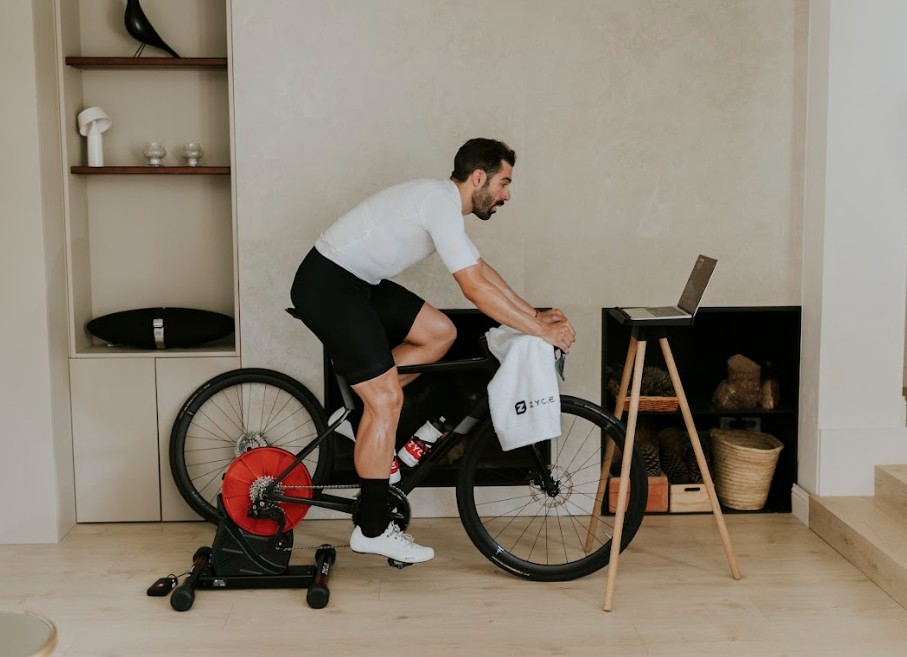
Getting the most out of caffeine also requires a session that justifies it. A serious work block on a Smart ZDrive MAX trainer with stable measurement lets you see in watts whether the boost is real or if you just feel more jittery. With a controlled dose, well-timed intake, and a well-built session, caffeine becomes a reliable ally several weeks a year.